- News
- AlphaGlass Railing
How to Maintain Your Glass Railing and Keep It Looking New
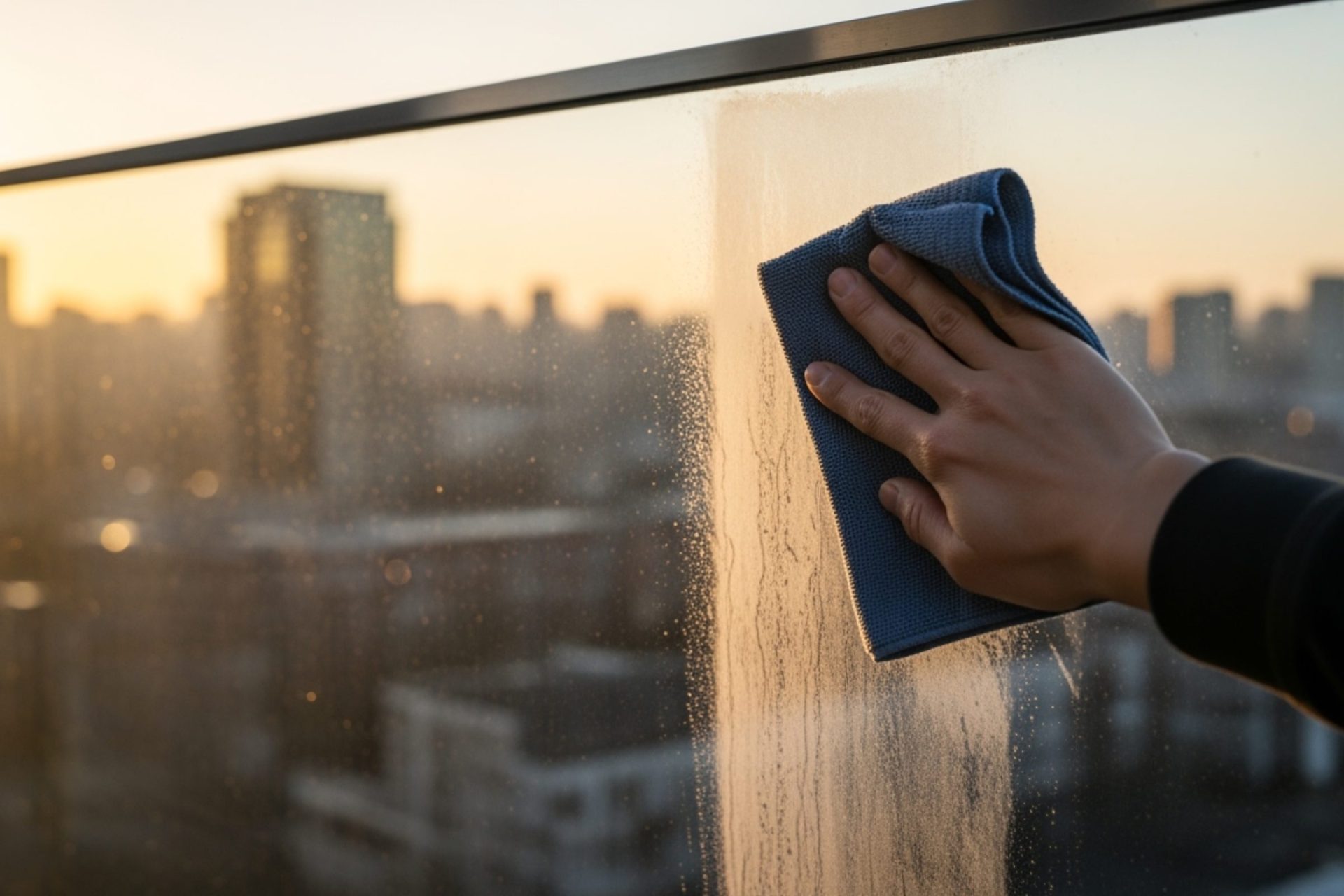
Table of Content
Glass railings look clean, open, and modern. They also show everything. Fingerprints, rain spots, dust, pollen, hard-water marks, smudges from a dog nose, all of it ends up front and center.
The good news is that glass railings are usually easier to maintain than people expect. The bad news is that a lot of people clean them the wrong way. They grab whatever spray is under the sink, scrub too hard, ignore the hardware, and slowly turn a simple care routine into a bigger problem.
If you want your glass railings to keep that sharp, nearly invisible look, the goal is not aggressive cleaning. It is consistent cleaning. A light routine done regularly beats a dramatic deep clean every few months.
Why maintenance matters more than people think
Most people focus on appearance first, which makes sense. A cloudy panel or spotted outdoor glass railing can make an otherwise polished space feel neglected.
But looks are only part of it.
Regular maintenance helps you catch early signs of trouble, like loose clamps, worn gaskets, corrosion on metal parts, or chips near the panel edge. Those issues are easier and cheaper to fix when they are small. Ignore them long enough, and you move from cleaning to repair.
This matters for both homes and commercial spaces. An indoor glass railing around a stair opening has different exposure than a deck railing, but both rely on stable glass hardware and a sound installation. Clean surfaces make inspection easier. Dirt hides problems.
First, know what kind of railing you have
Before you start spraying and wiping, take a minute to understand the system in front of you.
Some glass railings are frameless. Others use posts, clamps, top rails, or channels. The glass may be tempered, laminated, or a combination, depending on the application and local code. The hardware might be stainless steel, aluminum, or powder-coated metal.
That matters because the glass and the hardware do not always want the same cleaner.
A gentle cleaner that is safe for glass is often the best choice for the whole system, especially if you are unsure. Harsh chemicals may not damage the panel itself right away, but they can dull finishes, stain metal, or shorten the life of rubber gaskets and sealants.
If your railing came with care instructions from the installer or glass supplier, use those as your first reference. Custom glass systems sometimes have finish-specific recommendations, and those details are worth following.
The basic cleaning routine that works
You do not need a cabinet full of specialty products. Most people can keep glass railings in good shape with a simple routine:
-
Remove loose dust and grit first.
-
Clean with warm water and a small amount of mild dish soap.
-
Wipe with a soft microfiber cloth or non-abrasive sponge.
-
Rinse if needed.
-
Dry with a squeegee or clean microfiber cloth.
That first step is the one people skip. It matters. If you rub dust, sand, or construction grit across the surface, you increase the risk of fine scratches. Glass is durable, but it is not immune to bad habits.
For most indoor glass railing panels, once a week or once every two weeks is enough. Outdoor glass railing systems usually need more attention, especially in rainy or dusty conditions. In places like Vancouver and the Lower Mainland, moisture, tree debris, and airborne grime build up faster than many homeowners expect.
What to use
A short, sensible kit is enough:
-
Microfiber cloths
-
A soft sponge
-
A squeegee
-
A bucket of warm water with a little mild dish soap
-
A spray bottle for spot cleaning
That is really it for regular care.
What to avoid
Some products make clean glass look worse over time, or they harm the surrounding materials.
Avoid:
-
Abrasive pads or scouring sponges
-
Powder cleaners
-
Steel wool
-
Strong acidic or alkaline cleaners
-
Scrapers and razor blades unless the manufacturer specifically approves them
-
Dirty rags that may trap grit
I know the razor blade trick gets suggested a lot for stubborn residue. Sometimes it works. It also scratches glass when used carelessly, especially if there is hidden debris between the blade and the surface. For most people, it is not worth the risk.
How to deal with common glass railing stains
Not every mark comes off with one swipe. Some need a slightly different approach.
Fingerprints and everyday smudges
These are the easy ones. A microfiber cloth with a little soapy water usually handles them. Dry the panel after cleaning so you do not leave streaks behind.
If you have kids, pets, or a busy office setting, expect lower sections of the glass to need more frequent attention. People touch what they can reach.
Hard-water spots
This is one of the most common complaints, especially on exterior railings and balcony glass. Rain and irrigation overspray can leave mineral deposits. If sprinklers regularly hit the panels, the glass will show it.
For light spotting, use warm soapy water first. For stubborn mineral marks, try a diluted white vinegar solution on the glass only, then rinse and dry well. Test a small area first. Keep vinegar off nearby natural stone, some metal finishes, and any material that the manufacturer says should not be exposed to acid.
If spotting keeps returning, the issue may be the water source rather than your cleaning routine.
Pollen, dust, and urban grime
This buildup can create a dull film, especially on outdoor glass railing panels near roads, trees, or construction. Rinse or wipe away loose particles before you clean. Then wash gently with soap and water.
Trying to scrub dusty glass dry is asking for swirl marks.
Bird droppings and tree sap
These need patience, not force.
Soften the mess first with a damp cloth and let it sit for a few minutes. Then wipe gently. If sap remains, repeat the process instead of attacking it with something abrasive. The extra time is annoying, but it is better than scratching the panel.
Don’t ignore the hardware
People often clean the glass and forget everything holding it in place.
That is a mistake.
Posts, clamps, spigots, top rails, base shoes, and fasteners all need light care. Dirt and moisture collect around connection points. On outdoor systems, this can lead to staining or corrosion if the hardware is neglected.
Wipe hardware with a soft cloth and mild soap solution. Dry it well, especially around joints and edges where water can sit. If you have stainless steel fittings, use a cleaner approved for that finish if deeper cleaning is needed. Do not assume every metal-safe cleaner is safe for every finish.
Pay attention to these signs:
-
Rust-colored staining
-
White residue or mineral crust
-
Loose-feeling fittings
-
Cracked or shrinking gaskets
-
Water sitting inside channels or around fasteners
One point worth stressing: never tighten railing hardware aggressively unless you know the system and the correct torque requirements. Over-tightening can stress the glass or damage the fitting. If something feels loose, inspection is smart. Guesswork is not.
Indoor glass railing and outdoor glass railing need different care
The cleaning method is similar, but the maintenance schedule is not.
Indoor glass railing
An indoor glass railing usually deals with fingerprints, dust, pet marks, and the occasional food splash if it is near a kitchen or dining area. The environment is controlled, so buildup is slower and the hardware is less exposed.
For most interiors, a quick wipe every week or two keeps things looking good. A more detailed check once a month is usually enough.
Outdoor glass railing
An outdoor glass railing works harder. Rain, wind, airborne grit, UV exposure, pollen, road residue, and coastal moisture all take a toll. In Metro Vancouver, even when the air feels clean, exterior glass collects a fine layer of grime fast.
Outdoor panels should be rinsed or cleaned more often, especially after storms, dry dusty periods, or heavy pollen seasons. If your railing is close to the ocean, frequent fresh-water rinsing helps reduce salt buildup on both the glass and the glass hardware.
This is also where water management matters. If dirt and moisture collect inside the base channel or around mounting points, you want to know that early.
A seasonal approach makes life easier
You do not need a complicated calendar. But tying maintenance to the seasons helps people actually do it.
Spring
This is the big cleanup. Wash away winter grime, inspect for hardware staining, and check for any movement that developed during wet weather. Pollen season can also make glass look dirty again almost immediately, which feels unfair, but at least you know why.
Summer
Dust, sprinkler spots, sunscreen smudges, and heavier use usually show up now. Clean more often if you entertain outdoors or have a balcony that gets constant sun and traffic.
Fall
Leaves, organic debris, and extra moisture start collecting around the base of the system. Clear those areas so water does not sit where it should not.
Winter
You may clean less often, but inspect more carefully. Wet conditions make loose fittings and drainage issues easier to spot. If you see persistent clouding near edges or inside laminated sections, get it checked.
What “clean” should not look like
A lot of people assume any visual change means dirt. Sometimes it does. Sometimes it doesn’t.
Here are a few things cleaning will not fix:
Scratches
Fine scratches can be hard to see until sunlight hits the panel just right. They often come from abrasive cleaning tools or wiping gritty glass without rinsing first. Once the glass is scratched, normal cleaning will not remove it.
Edge chips
A small chip near the edge of a panel deserves attention. Glass is strongest when its edges are intact. Do not ignore edge damage because the rest of the panel looks fine.
Cloudiness inside the glass
If the haze is between layers or appears to be within the panel rather than on the surface, cleaning products will not solve it. That may point to a manufacturing issue, seal failure, or damage.
Movement
If a panel shifts, rattles, or feels less stable than before, stop treating it like a housekeeping problem. It is now a safety problem.
Should you apply a protective coating?
Sometimes, yes.
Protective glass coatings can make routine cleaning easier by helping water bead and reducing residue buildup. They are especially useful on outdoor glass railing systems and areas that get frequent spray or rain.
That said, coatings are not magic. They do not replace cleaning, and they do wear down over time. Some need reapplication. Some are applied at the factory. Others are added after installation.
If you are considering one, ask whether it is compatible with your specific custom glass product and how it should be maintained. A coating can help, but only if the care instructions are followed.
When to call a professional
Most cleaning is simple. Some issues are not.
Bring in a professional if you notice:
-
Cracks or chips
-
Loose panels or fittings
-
Corrosion that keeps coming back
-
Persistent leaks or water trapped in channels
-
Clouding that does not respond to cleaning
-
Damage after impact or storm debris
This is especially important for elevated decks, stair railings, and commercial spaces where safety expectations are higher and the consequences of failure are much worse.
If you are planning a new glass installation, this is also a good time to ask what ongoing maintenance the system needs. That question gets overlooked. It should not.
A few habits that make a big difference
You do not need to baby glass railings, but a few habits will keep them looking newer for longer.
Dry the glass after washing when possible. Water left to evaporate on its own often leaves spots.
Clean spills and droppings sooner rather than later. Old residue gets stubborn.
Keep irrigation aimed away from the panels if you can. Sprinklers are hard on glass.
Do a quick visual check while you clean. Look at the edges, fittings, and base, not just the center of the panel.
Use a clean microfiber cloth every time. A cloth that already picked up grit on the patio should not go straight onto the glass.
It sounds basic, because it is. Most good maintenance is basic.
The bottom line
Glass railings do not stay beautiful by accident, but they also do not need constant fussing. A simple routine, gentle products, and a bit of attention to the hardware go a long way.
If I had to boil it down to one rule, it would be this: clean lightly and clean often. That approach protects the surface, keeps the railing clear and bright, and makes it much easier to spot real problems before they grow.
Whether you have an indoor glass railing in a quiet home or an outdoor glass railing exposed to Vancouver weather, the idea is the same. Treat the system like part of the structure, not just a piece of decor. When you do that, it tends to keep its good looks a lot longer.

Explore limitless glass interior designs for bright, high-quality spaces with soundproof office partitions for serene workplaces